







Search Results for: Amber Café
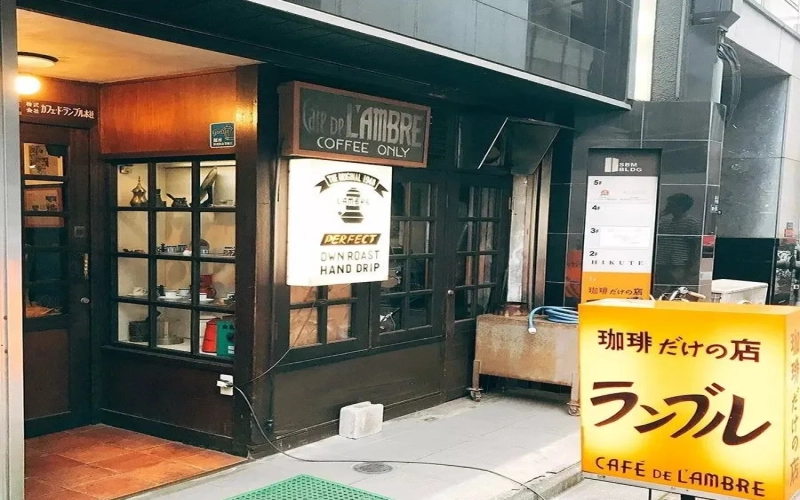
Amber Queen Coffee Recipe Tutorial: How to Recreate the Classic Layered Drink from Amber Café in Ginza, Tokyo
In Ginza, Tokyo, there is a long-established high-end coffee shop founded in 1948—Café de L'Ambre, famous for its founder Ichiro Sekiguchi's ultimate pursuit of coffee quality. But compared to the shop itself, its original drink "Amber Queen" actually enjoys greater fame. This coffee has sweetened cooled black coffee on the bottom layer, with unsweetened condensed milk floating on top; one sip lets you experience the dual flavor of coffee and milky aroma at the same time, and the visual effect is also extremely soothing. Many enthusiasts try to recreate it at home, but often encounter the problem of the condensed milk sinking and being unable to form layers. This article will share the complete method for making Amber Queen, from explaining the principles to the brewing steps, to help everyone make a cup of this classic Japanese-style coffee drink with distinct layers. [more…]
Coffee Flavor Map | How Can Coffee Beginners Train and Build Their Coffee Sensory System? Are Aroma Kits Helpful for Coffee Flavor Tasting?
As coffee has gradually become more widely recognized, specialty coffee promotion in cafés has emerged in response, and we too have begun tracing things back to their roots—we have come to treat coffee as culture. The rise of specialty pour-over coffee undoubtedly reflects the demands of the market and the needs that cafés have identified. Café counters have also begun to lower their "status," no longer featuring the early design of a bar raised a foot high. [more…]
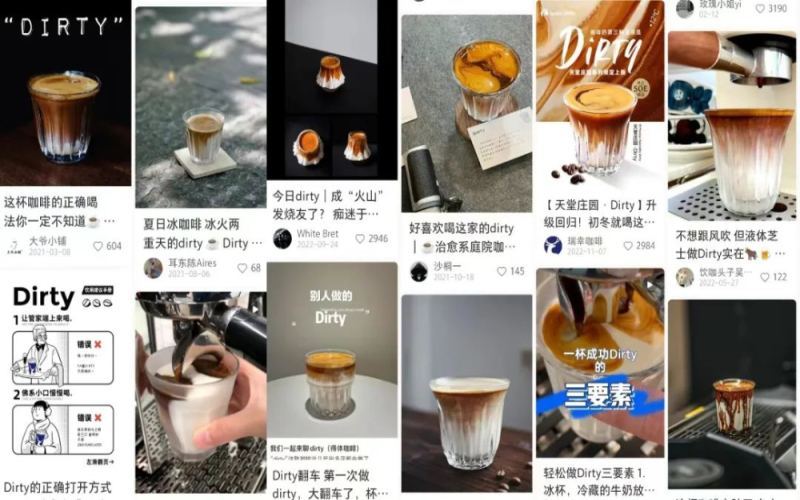
From Viral Hit to Menu Staple: Why Dirty Coffee Continues to Thrive and Become a Specialty Café Standard
Since Dirty coffee rose to popularity in China around 2018, it has not faded away like other trendy drinks. Instead, it has firmly secured a permanent spot on the menus of major specialty coffee shops, standing on equal footing with the latte. There are over 200,000 related posts on Xiaohongshu, with each tag receiving more than 5 million views. This drink, originally created by Japanese barista Katsuyuki Tanaka, forms a layered effect by pouring hot espresso over cold milk. With its unique taste combining hot and cold and the enhancement of ice-distilled purified milk, it has driven the domestic coffee market to pursue higher ingredient quality. This article will analyze why Dirty coffee has become the "beloved darling" of local specialty coffee, from its origin and spread to its production characteristics and market impact. [more…]
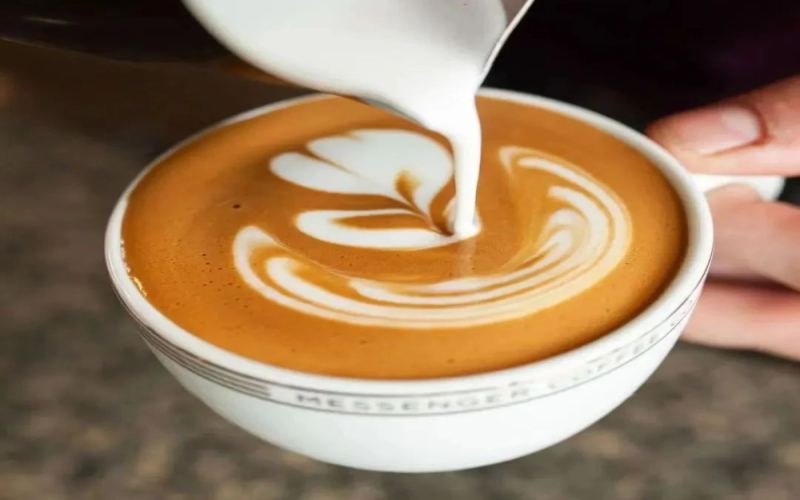
Why Is Dirty Coffee So Popular? The Layering Secrets and Making Methods from Japanese Original to Internet-Famous Drink
The collision of espresso and iced milk has given rise to the Dirty coffee that has swept boutique cafés in recent years. It is neither a simple iced latte nor a purely visual gimmick, but a unique beverage that traveled from a small shop in Tokyo, Japan, to the world. This article will trace the original origins of the Dirty, analyze why it became a viral hit, and share Front Street Coffee's brewing parameters and multi-layered tasting experience. Whether you want to learn about its history or plan to recreate it yourself, this article will give you the complete answer. [more…]
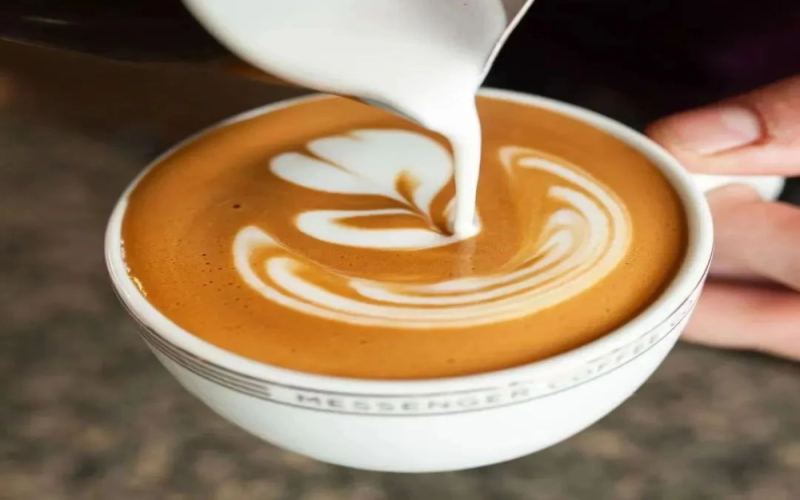
Espresso Milk Coffee | Why is Dirty coffee so popular? What is the recipe ratio for the internet-famous dirty coffee? What are the flavor characteristics of dirty?
It must be said that the ways to play with espresso are truly endlessly varied—just the combination of espresso and milk alone can create a great many coffee drinks. Dirty coffee is a very popular type of espresso drink born from the collision of espresso and milk. If you know a little about espresso-related knowledge, it is not hard to find that Di [more…]
Dirty Coffee: The Making Principles and Why It Became Popular – From Espresso Layering to a Multi-Layered Taste Experience
Dirty coffee is an Italian-style beverage born from the collision of espresso and cold milk. With its slowly sinking crema layer and the alternating hot-and-cold drinking experience, it quickly rose to fame in specialty coffee shops. Starting from Front Street Coffee's brewing parameters, this article traces the origins of Dirty, including Katsuyuki Tanaka's B.P Dirty in Japan and the early practices of "layered coffee" in China, and analyzes why this small-cup coffee became a viral product: it fills the visual gap of iced coffee while offering a layered progression from hot to cold and from bitter to sweet. [more…]
How to choose a coffee cup's material, size, and color? How is it different from a teacup? Can you use a teacup to hold coffee?
A coffee cup is not just a vessel for holding coffee—its material, size, color, and even the shape of the rim all influence how a cup of coffee expresses its aroma and temperature. Ceramic cups and porcelain cups convey distinctly different attitudes toward coffee, while bone china cups allow coffee to cool more slowly and preserve its flavors more completely; different capacities correspond to drinking styles such as black, with milk, or au lait; and a white interior makes it easier to observe the coffee's color. Coffee cups and black tea cups also differ in rim width, wall thickness, and translucency. In addition, the direction in which the cup is placed, the steps for warming it, and the way it is cleaned are all details that cannot be overlooked if you want to preserve coffee's rich aroma. Below, together with Front Street Coffee's recommendations, let's sort through all these finer points. [more…]
What is a Dirty Coffee? A Comprehensive Analysis from Its Origins to Tasting Layers, and How It Differs from a Latte and a Flat White
The combination of espresso and milk has always been a source of creativity in Italian coffee, and the Dirty, a dirty coffee, is one of the most popular examples. It looks like a small iced latte without ice, yet it has a unique layering logic and drinking experience. Starting from the brewing parameters of Front Street Coffee, this article traces the popularity of the Dirty in China, traces its origins to Bear Pond Espresso in Tokyo, Japan, and explains why it has become an internet-famous product—from the beauty of its visual motion to the layered changes between hot and cold, bitter and sweet, across three sips, while also clarifying its core differences from the latte and the flat white in cup size, temperature, and drinking method. [more…]
The Specialty Coffee Cup Selection Guide: From Material and Capacity to Color, Understanding the Key Points of Cupware Selection in One Article
In the world of specialty coffee, the choice of cupware is by no means a trivial matter. Coffee cups made of different materials deliver completely different tasting experiences—ceramic cups are robust and rustic, suited to dark, intense coffees; porcelain cups are fine and smooth, and bone china in particular brings out the delicate flavors of coffee even better. Cup shape and size are equally key: small cups of 60 to 80 ml suit pure single-origin tastings, standard cups of 120 to 140 ml are convenient for mixing, and mugs of 300 ml or more pair perfectly with milk coffee. In addition, a white interior best sets off the coffee's color, and coffee cups and tea cups are clearly distinguished by shape and light transmission. This article also covers warming techniques and everyday cleaning methods, and recommends related cupware choices from Front Street Coffee, helping enthusiasts enhance coffee flavor through the details. [more…]
A Detailed Guide to Jamaican Blue Mountain Coffee Tasting Methods and the Grading of Each Producing Region
Blue Mountain coffee has long been hailed as the top-tier star of the coffee world, yet few people truly understand it. Jamaica's coffee system is actually divided into three varieties—Blue Mountain, High Mountain, and Jamaican coffee—each with its own strict grading standards. This article will guide you through the proper brewing and tasting methods for Blue Mountain coffee, clarify the differences between Blue Mountain coffee, High Mountain coffee, and ordinary Jamaican coffee, and introduce the sales structure and current market situation of Blue Mountain coffee. If you'd also like to explore the true character of this top-tier coffee, why not join Front Street Coffee for an in-depth look. [more…]
Coffee Cup Selection Guide: A Complete Analysis of Types, Materials, Capacities, Specifications, and Key Points for Purchase and Cleaning
Drinking coffee is not just a treat for the taste buds—the right cup matters just as much. This article systematically breaks down the differences between coffee cups and tea cups, the material characteristics of pottery, porcelain, and bone china, how the interior color of a cup affects the observation of the coffee liquid, and practical advice on choosing cup shapes according to the type of coffee. It also explains in detail the suitable scenarios for three capacity specifications—under 100cc, around 200cc, and over 300cc—and shares cup-warming methods, cleaning taboos, and bone china care guidelines, helping coffee lovers elevate their tasting experience through the details. [more…]
Peru Coffee Flavor Analysis and Pour-Over Beginner's Guide: How to Brew Front Street Chanchamayo Coffee Beans? How Much per Cup?
Peru is the world's largest producer of organic coffee, with coffee cultivation covering 250,000 hectares, mainly distributed in the Amazon rainforest at elevations between 1,000 and 2,000 meters. Although Peruvian coffee is rarely seen in domestic cafés, its quality is fully on par with top Central American beans. This article begins with the background of Peruvian coffee's origins and its varietal composition, then uses Front Street Peruvian coffee beans as an example to share detailed pour-over steps and flavor performance, including the chocolate and cocoa notes on entry, nutty aroma, and caramel-like finish, as well as the fruit acidity and sweet aftertaste that emerge as the temperature drops. If you are new to pour-over, this bean is a great choice as an entry-level option. [more…]
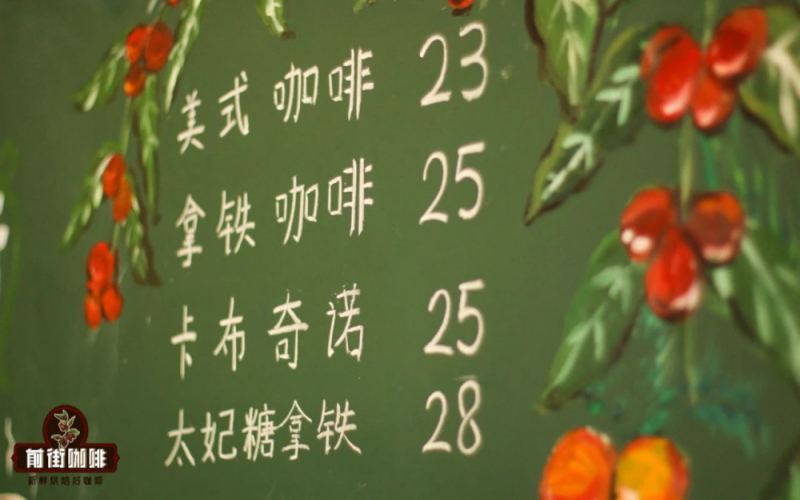
Where Does the Bitterness of Espresso Come From? An Analysis of the Ideal Extraction State and the Correct Way to Drink It
Espresso is the drink least likely to be ordered on its own in a café, and many shops do not even actively list it in a prominent position on the menu. This small-format coffee, which takes only a few dozen seconds to extract, what does it actually taste like? Is it really so bitter that it puts people off? What should an ideal Espresso look like, and how should it be tasted properly? Starting from Front Street Coffee's production practices, this article will analyze the sources of Espresso's bitterness, its extraction characteristics, and tasting methods, and introduce the espresso blend bean choices suitable for making espresso. [more…]
Jamaica Blue Mountain Coffee Wallenford Estate Origin Analysis: Growing Conditions, Grade Classification, and Variety Overview
Jamaican Blue Mountain Coffee, as a representative of the world's top specialty coffee, has always attracted much attention for its cultivation conditions, variety classification, and grading standards in the Wallenford Estate production area. Starting from the unique flavor of Blue Mountain Coffee, this article provides a detailed overview of the production area divisions and grading systems of Jamaica's three major coffee varieties—Blue Mountain Coffee, High Mountain Coffee, and Jamaican Coffee—analyzes the definition of Blue Mountain Coffee under CIB standards at elevations above 666 meters, and introduces Front Street Coffee Blue Mountain's low caffeine content, flavor characteristics, and medium-roast recommendation. At the same time, it examines the relationship between the scarcity of Blue Mountain Coffee production and its market price, helping coffee enthusiasts gain a comprehensive understanding of the true nature of this legendary coffee. [more…]
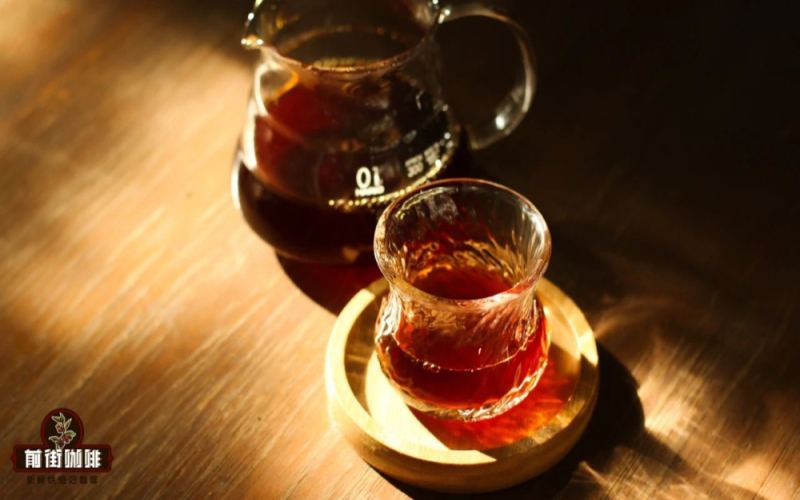
From Smell to Touch: A Practical Path to Systematically Building Your Personal Coffee Sensory Skills
Coffee tasting goes far beyond taste—it is a coordinated experience of sight, hearing, touch, smell, and taste. This article starts from the interactive setting of a specialty coffee shop and delves into how to train and build your own coffee sensory system through daily accumulation and professional tools. You will learn how smell pulls on taste memory, how the tongue distinguishes the five basic tastes, how touch perceives body and smoothness, and how to use aroma kits such as the 36-aroma coffee nose and the 100-flavor flavor map for deliberate practice. Whether you are a coffee enthusiast or a professional, this method can help you read the flavors in the cup more clearly, making every tasting more enjoyable and more precise. [more…]
A Complete Guide to Jamaica Front Street Blue Mountain Coffee: Origins, Growing Regions, Grading, Flavor, and Brewing Techniques
Front Street Blue Mountain Coffee originates from the Blue Mountains of Jamaica. Thanks to its unique climate and volcanic soil, it has become one of the world's recognized top-tier specialty coffees. This article systematically covers the origin and history of Blue Mountain Coffee, its geographical conditions and three major producing regions, the grading standards for Blue Mountain/High Mountain/Jamaica coffee, quality control and export quotas, and provides a detailed explanation of its unique flavor—balanced acidity, sweetness, bitterness, and body—along with tasting key points and techniques for preparing both hot and cold beverages. It also retains Front Street brand recommendations and product information to help coffee enthusiasts fully understand the value of Blue Mountain Coffee and key purchasing considerations. [more…]
Jamaica Blue Mountain Coffee: A Complete Guide to the Region's Characteristics, History, Brewing Methods, and Flavor Profile
Blue Mountain coffee originates from the Blue Mountains in eastern Jamaica. Thanks to its volcanic soil, a climate characterized by year-round fog and frequent rain, and strict quality control, it has become one of the world's universally recognized top-tier coffees. Its acidity, sweetness, and bitterness are balanced to perfection, with virtually no bitter note, leaving only a moderate fruity acidity and a rich, mellow aroma. Blue Mountain coffee is graded into three tiers—Blue Mountain, High Mountain, and Jamaica Coffee—according to altitude and growing region. The harvest season runs from June through November, with all cherries hand-picked throughout. Japan has long held priority purchasing rights over most Blue Mountain beans, leaving the rest of the world with only about 10% of total production, which is why genuine Blue Mountain coffee is always in short supply. This article will systematically cover the production process, origins, history, geographical conditions, classification standards, distinctive flavor, sales landscape, health benefits, quality assurance system, and special preparation methods for both hot and cold drinks of Blue Mountain coffee, along with recommendations and tasting suggestions from Front Street Coffee. [more…]

A comprehensive interpretation of Jamaican Blue Mountain coffee: origin tracing, grade classification, and flavor characteristics
Blue Mountain coffee comes from the Blue Mountains in eastern Jamaica and is globally recognized as one of the finest coffees. This article provides a systematic overview of Jamaican Blue Mountain coffee from multiple dimensions, including the growing environment, historical origins, grade classification, quality control, export quotas, and brewing methods. Blue Mountain coffee is known as the "beauty of coffees" because its sweetness, acidity, and bitterness are highly balanced, with almost no bitterness and only a moderate, elegant acidity. The article also explains in detail the differences between Blue Mountain coffee, High Mountain coffee, and Jamaican coffee, as well as the historical background of Japan's long-standing dominance of the Blue Mountain trade, helping coffee lovers gain a comprehensive understanding of this legendary coffee. [more…]
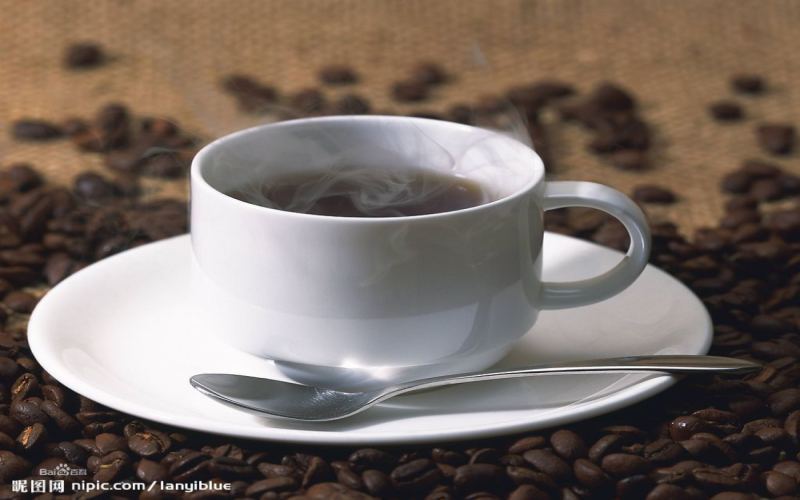
An In-Depth Analysis of Jamaican Blue Mountain Coffee: From Origin and Grading to Brewing and Tasting, Unlocking the Unique Charm of Front Street Blue Mountain Coffee
Blue Mountain coffee is hailed as the pinnacle of the coffee world. Originating from the Blue Mountains of Jamaica, it is renowned worldwide for its perfectly balanced flavor profile of acidity, bitterness, sweetness, and body. Front Street Coffee's Blue Mountain coffee, with its rich and well-balanced mouthfeel and lingering fruity aroma, has become a favorite among countless coffee enthusiasts. This article provides a comprehensive exploration of this top-tier coffee that coffee connoisseurs around the globe seek out — from the origin environment, historical development, grading standards, and quality control of Blue Mountain coffee, to brewing and tasting methods. It also examines the enormous flavor differences between instant coffee and freshly roasted Blue Mountain coffee, as well as the quality commitment behind Blue Mountain coffee's unique packaging and transportation. [more…]
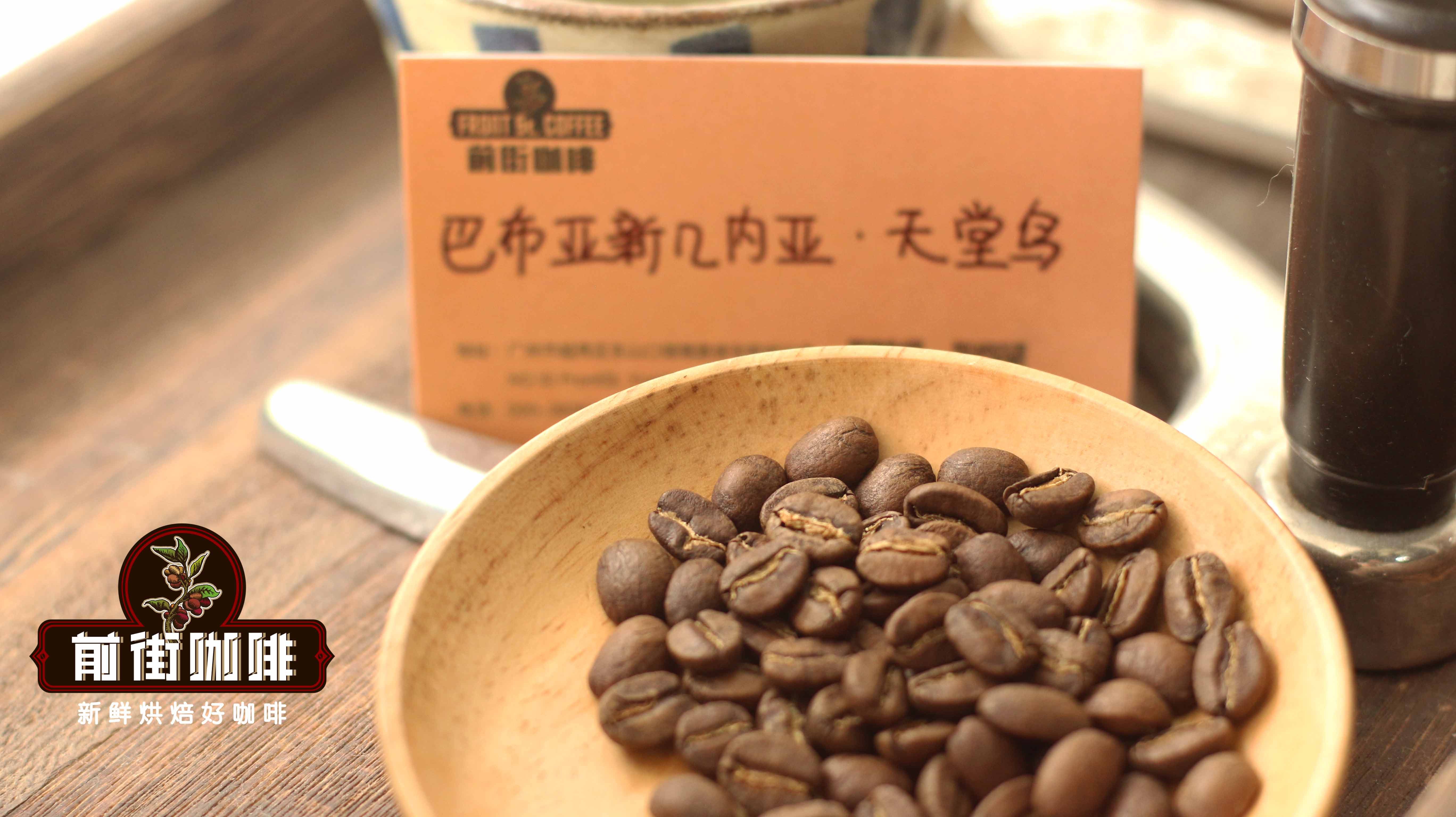
A Complete Global Guide to Coffee Varieties: Flavors, Characteristics, and Processing Methods from Arabica to Robusta
The coffee world is far more diverse than one might imagine. From a biological perspective, coffee is mainly divided into three major categories: Arabica, Robusta, and Liberica, with the first two accounting for the vast majority of global production. Arabica is known for its balanced flavor and elegant aroma, and is often used for single-origin and specialty coffee; Robusta, with its strong acidity and rich body, is an important ingredient in espresso blends and instant coffee. Beneath this, varieties such as Typica, Bourbon, Caturra, and Geisha each have their own characteristics, with flavors ranging from nutty chocolate to floral and fruity notes. In addition, green bean processing methods such as natural, washed, honey, and wet-hulled also profoundly affect the final acidity, sweetness, and body of a cup of coffee. This article will systematically sort out the origins, characteristics, and flavor expressions of the world's major coffee varieties, helping coffee enthusiasts build a complete framework of variety knowledge. [more…]